

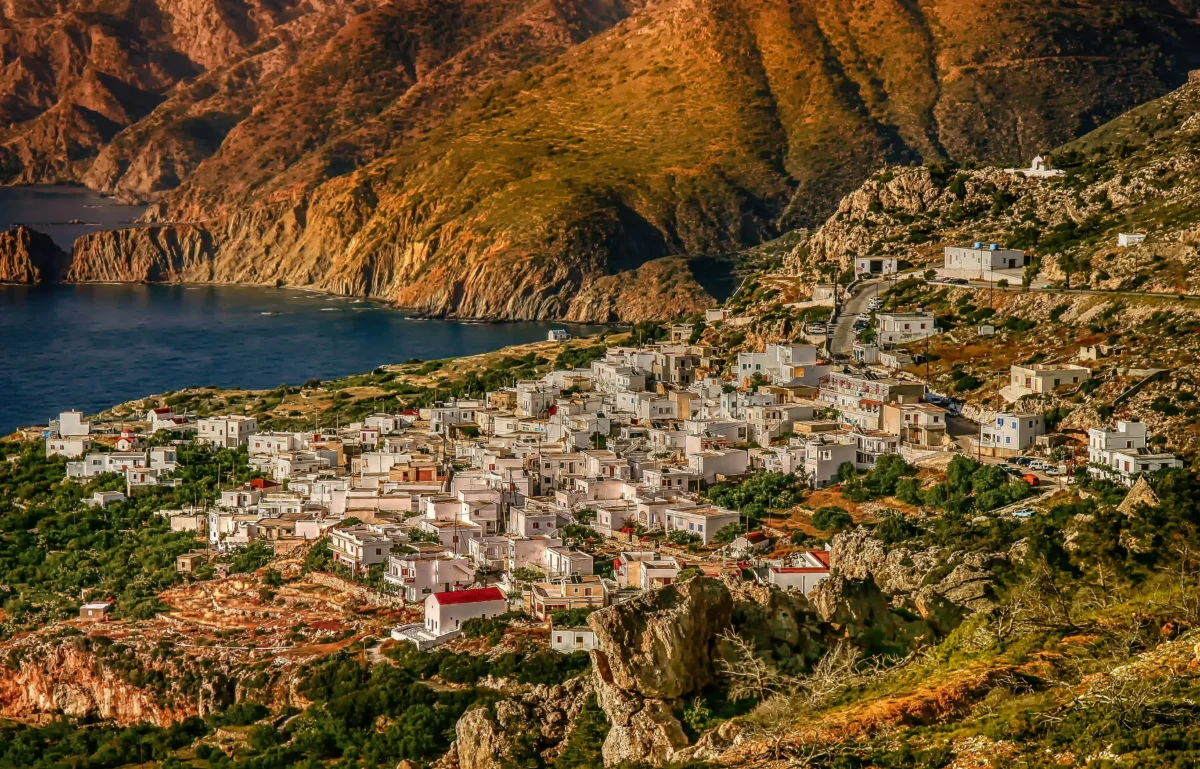
Ιστορία-Κυθήρων-Κάστρο-της-Χώρας-1200x769.webp

September 25, 2026

Every island in the Aegean has a story to tell. The history of Kythira, however, holds a deep sense of reverence and a mystical charm that leaves every visitor in awe.

From the Phoenicians to the Birth of the Goddess (1500 BC – 500 BC)

The first to approach the island in an organised way were the Phoenicians, the great seafarers of antiquity, who founded trading posts here. At that time, Kythira was mainly a strategic passage.

A little later, the Minoans arrived from Crete and established a thriving colony in the area of Avlemonas, giving the island a distinct cultural identity. With the arrival of the Mycenaeans (1400–1100 BC), everything changed radically. The worship of the goddess Aphrodite spread from the jagged beaches to every corner of the Kytherian land. When Homer (800 BC) wrote about the “Kytherian” island, he was no longer referring to a simple harbour, but to the official, sacred home of the goddess of Love.

Porphyroussa: Ancient Kythira and the Colour of Luxury (800 BC – 1453 AD)

Did you know that in antiquity Kythira was called Porphyroussa? The name was no coincidence, as the island was famous for producing precious purple dye. This rare pigment was extracted from sea shells and dyed fabrics that deep, noble crimson which was the ultimate symbol of luxury and power. Kythira exported purple dye to Rome, Egypt and the entire known world, enjoying enormous economic and cultural prosperity.

Venetian Rule and the Tragedy of Paleochora (1503 – 1800)

In 1503, the Venetians decided to fortify the island against the expanding threat, building the imposing Castle of Chora. It was not just a fortress, but a powerful symbol of the might of the Most Serene Republic of Venice.

However, in 1537, the darkest page in the island’s history was written in the blood of its people. The Ottoman admiral and pirate Hayreddin Barbarossa invaded Kythira and completely destroyed the fortified capital of the time, Paleochora. He razed 80 noble mansions and 21 beautiful churches. The ruins of Paleochora still stand there today, silent yet haunting. But the people of Kythira did not abandon their land. With unmatched determination, they rebuilt their lives, this time moving the island’s centre to Chora.

The 18th Century and the Commercial Renaissance

During the 18th century, the island became a refuge for many educated refugees and Phanariots seeking safety. New trading posts opened, foreign consulates were established on the island, and Kythira enjoyed a new period of prosperity, this time based on international maritime trade and letters. It was yet another chapter in the island’s ongoing evolution.

Kythira Today: The Immortal Island

What has changed since then? In truth, nothing of real value. The Castle still stands guard at the top, the secret caves remain untouched, and these places radiate the same timeless sanctity. And of course, the people here still worship the goddess Aphrodite — if nothing else — through their imagination, their love of life and their open-hearted hospitality.

Are you a lover of history and culture? Book the History-Lovers Package and let the past sweep you away!
History-Lovers Package


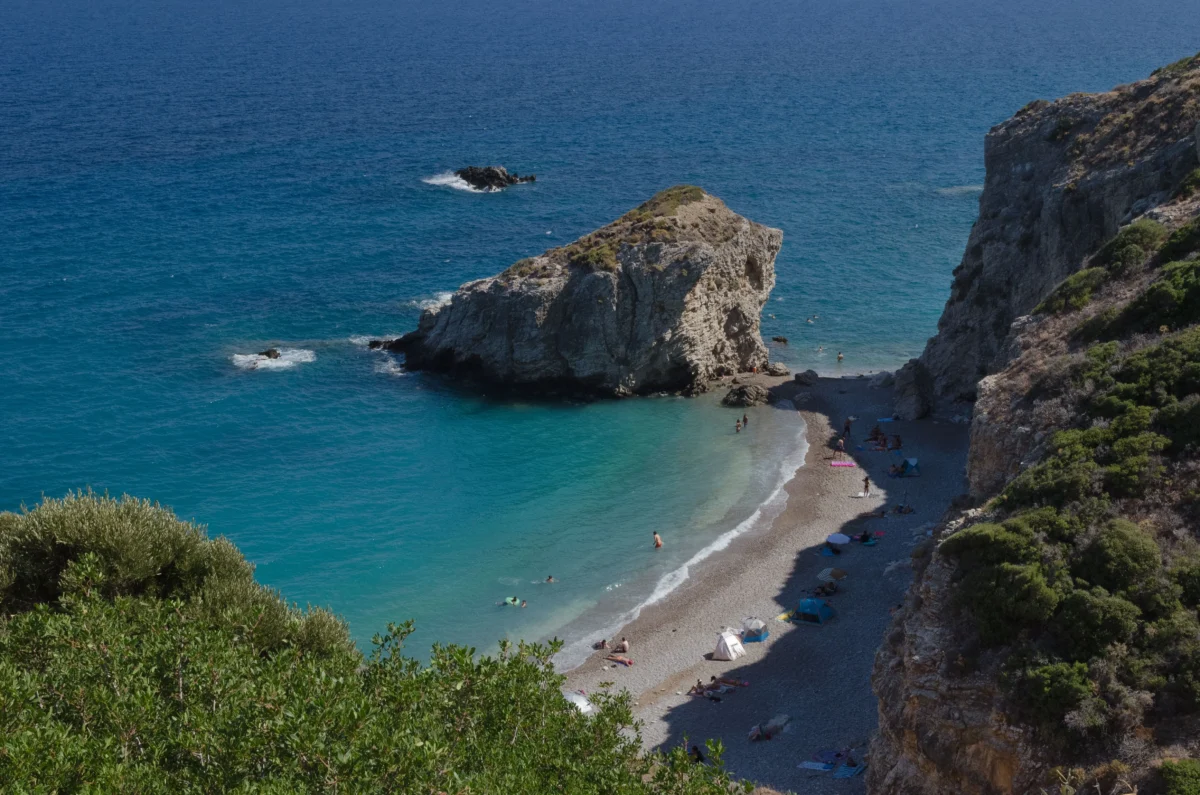
kythira-1200x795.webp

September 25, 2026

On Aphrodite’s Kythira, an island blessed by nature where, according to mythology, the goddess of love was born, no travel itinerary can ever be left to chance.

The History of Aphrodite’s Kythira

When Homer mentioned Kythira in the Iliad, he wasn’t simply describing another harbour in the Aegean. He was referring to the foremost place of worship of Aphrodite Urania — the goddess of love, passion and absolute beauty. In antiquity, travellers sailed for days across the open sea, defying every danger, just to reach the shores of Aphrodite’s Kythira and pay tribute at the goddess’s sanctuary. Kythira was never just a destination; it was a sacred and blessed land.

Thousands of years later, in 1503, the Venetians recognised the island’s strategic importance and built the magnificent Castle of Chora, which would stand for five centuries against pirate raids and ambitious conquerors. Even when, in 1537, the notorious Hayreddin Barbarossa — the fearsome red-bearded pirate and terror of the entire Mediterranean — destroyed the capital of the time, the people of Kythira did not give up. They rebuilt their lives from the ashes. Because the people of this island know how to be reborn.

Your Day Itinerary

  • 08:00 – Breakfast in the Company of Aphrodite: Wake up in the comfortable rooms of Aperanto Galazio and gaze at the endless blue of the Aegean bathed in the first light of day. Imagine that in this very same sea, 2,500 years ago, the young women of antiquity sought the goddess’s blessing for beauty and harmony.
  • 09:00 – A Dive into History at Limnionas Beach: Here, you’re not just going for a swim. You’re swimming in the same crystal-clear waters that once welcomed Minoan sailors, Mycenaean warriors and Venetian merchants. The breeze you feel isn’t just a morning wind; it’s the touch of history itself.
  • 12:30 – Snorkelling at Kanali – A Hidden Treasure: Kanali isn’t just a snorkelling spot. It’s where pirates once took shelter to protect their ships. Today, you can dive into the same mysterious caves — this time in search of the peace and beauty of the seabed.
  • 15:00 – Lunch at a Traditional Tavern: Forget the term “Mediterranean cuisine”. Here you’ll taste authentic Kytherian cooking: fresh fish caught just hours earlier, juicy tomatoes picked straight from the garden and pure olive oil from the groves next door. This simplicity and purity of flavour was Aphrodite’s true secret.
  • 16:30 – Exploring the Castle of Chora (1503): As you climb the stone alleys up to Chora, every step meets the past. The Castle was built to withstand hardship and siege — and it did. From the top, let your gaze drift to the point where three seas meet: the Aegean, the Cretan and the Ionian. It’s the same breathtaking horizon the ancient lookouts once watched.
  • 19:00 – Sunset at Mesanagros: This is no ordinary sunset. These are the same colours that painted the sky when Aphrodite stood on these imposing rocks. It’s not just a romantic setting, but a moment that feels eternal.
  • 20:00 – Dinner, Views & Inner Peace: Back at your accommodation, enjoy dinner overlooking the illuminated waters. Let your mind wander and reflect: over the centuries, what has changed — and what has remained forever untouched on this blessed island?

Book a Studio with a Mythological View and begin your own journey through time!

Book Now